

At 97, Monsignor Slattery continues to bring faiths together
As Inter Faith Week approaches, members of a Cumbrian Buddhist–Christian group reflect on the friendship, meditation and hope at the heart of their shared journey.
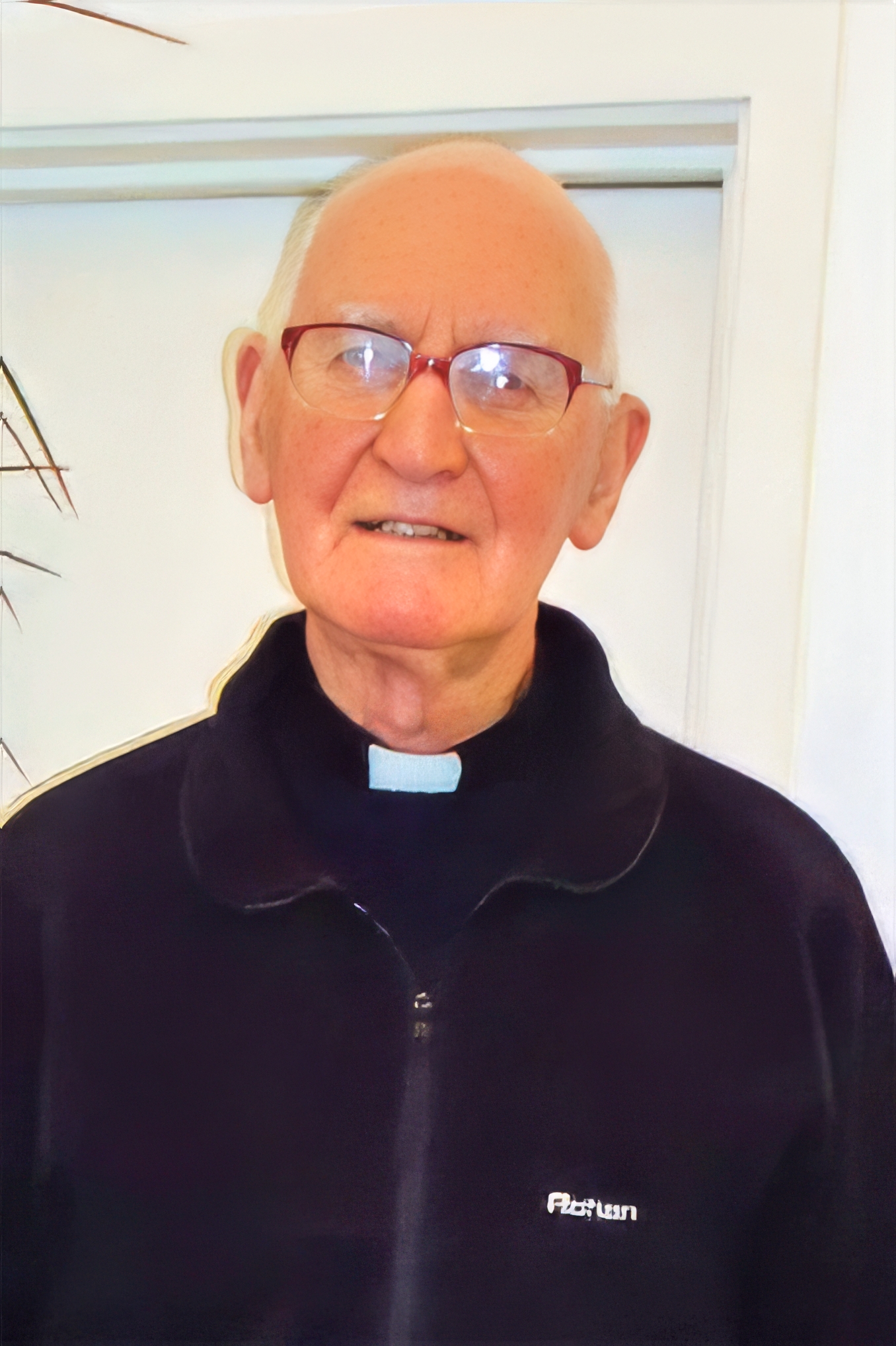 At 97, Monsignor Francis Slattery is preparing to lead another Inter Faith Week gathering — continuing a commitment to dialogue sustained through years of conversation, meditation and friendship.
The retired Roman Catholic priest leads the Buddhist Christian Dialogue and Meditation Group (BCDMG), which meets at Milnthorpe Presbytery. He will lead the group’s event on 9 November during Inter Faith Week 2026. For those who meet with him, his contribution is about more than longevity. Their accounts describe a welcoming host and patient listener whose interest in other people’s beliefs has helped friendships grow across religious traditions.
A friendship spanning more than two decades. Theravada Buddhist Jacquetta Gomes first met Monsignor Slattery in 2002, when the then Bishop of Lancaster, Patrick O’Donoghue, asked her to organise a day in Kendal bringing together people from faith groups and community organisations.
Monsignor Slattery subsequently invited Jacquetta and her husband to his weekly meditation group at the presbytery in Windermere, where he was parish priest. Their association continued after he moved to Milnthorpe. In 2024, they attended the celebration of his 70 years in the priesthood, led by Bishop Paul Swarbrick.
“It is a privilege to have met such a wonderful, exemplary Priest and to participate in BCDMG and Inter Faith Week events he leads,” Jacquetta writes.
Her account carries a simple message: nobody is too old to take part.
From separation to encounter
Monsignor Slattery’s own reflection looks back over a lifetime of change in the Church and wider society.
He remembers a time when religious communities largely kept to themselves. Within his own tradition, he recalls, “we kept much to ourselves and were cautioned to be separate”.
The Second Vatican Council marked a turning point in his experience, opening opportunities for engagement with other Christians and people of other faiths.
“But many welcomed the opportunity to relate to others much more amicably,” he writes. “And so, the interfaith movement progressed.”
For him, that change became personal: an opportunity to form friendships beyond his own religious community, even as churches faced declining numbers and uncertainty.
His reflection acknowledges the adjustments dialogue requires, without losing sight of what makes it worthwhile: hope.
“I pray now that we will still be guided in the way of truth, light, goodness and beauty.”
Dialogue rooted in everyday life
Other members remember how naturally this openness extended into community life.
Liz, a Christian who met Monsignor Slattery after moving to Windermere in 2002, recalls parish walks in the fells, the meditation group and his involvement in local organisations. Through the Windermere–Diessen-am-Ammersee Twinning Association, he visited the German town and hosted visiting brass band concerts at his church.
Suzanne, a Catholic and Bernardine Cistercian oblate, first met him at a Buddhist Vesak celebration in Kendal, where he was invited to read a greeting from the Vatican.
She later joined the group in Milnthorpe. Members plan study and meditation events for Inter Faith Week and World Interfaith Harmony Week, alongside other meetings for fellowship and discussion. Their conversations span spiritual, cultural, moral and environmental questions.
“Monsignor Slattery is always a most generous and welcoming host, a generous guide and a patient listener,” she writes.
Suzanne also values their shared interest in the writings of Thomas Merton — one example of how reading and conversation sustain the group’s relationships beyond its public events.
As members prepare for 9 November, their accounts paint a picture of interfaith engagement built patiently over time: through invitations, attentive listening, and a willingness to keep learning from one another.